If you love the idea of living near the Cape Cod Canal, you are not alone. Buying near the canal in Bourne can offer daily access to water views, walking and biking paths, village character, and a true Upper Cape lifestyle, but it also comes with practical tradeoffs you need to understand before you buy. This guide will help you sort through prices, home types, traffic patterns, recreation, and key questions so you can decide whether canal-area living is the right fit for your next move. Let’s dive in.
What “near the canal” means in Bourne
One of the first things to know is that “near the canal” is more of a lifestyle phrase than one official neighborhood. Bourne includes several distinct villages, including Buzzards Bay, Bourne Village, Gray Gables, Monument Beach, Pocasset, Cataumet, Sagamore, and Sagamore Beach.
For many buyers, canal-area living often points to places like Buzzards Bay, Bourne Village, Gray Gables, and parts of Sagamore or nearby areas with easy access to the canal corridor. Buzzards Bay serves as the downtown hub and the starting point of the Cape Cod Canal Bikeway, while Gray Gables is the canal-side village and Bourne Village is the historic core.
That matters because your day-to-day experience can vary a lot depending on which village you choose. Two homes may both be described as “near the canal,” but one may feel more walkable to recreation while another may be better positioned for commuting or quieter year-round living.
Why buyers are drawn to canal-area homes
The canal is one of the biggest lifestyle draws in Bourne. The U.S. Army Corps of Engineers describes it as one of New England’s most popular recreation areas, with paved service roads for walking, jogging, cycling, skating, and shoreline fishing.
If you picture morning walks by the water, bike rides with wide open views, or easy access to outdoor space, this part of Bourne has strong appeal. Buzzards Bay Park offers public waterfront access and direct entry to the canal path, and Herring Run is one of the most popular recreation areas along the canal.
At the same time, this is not just a summer destination. Bourne presents itself as a year-round community, and townwide data points to a stable ownership base, with a 75.8% owner-occupied housing rate and 90.0% of residents age 1 and over living in the same house one year earlier.
That year-round stability can be appealing if you want more than a seasonal feel. It can also matter if you are a first-time buyer, downsizer, or relocating household looking for a home that supports everyday life and not just weekend use.
Home styles near the canal
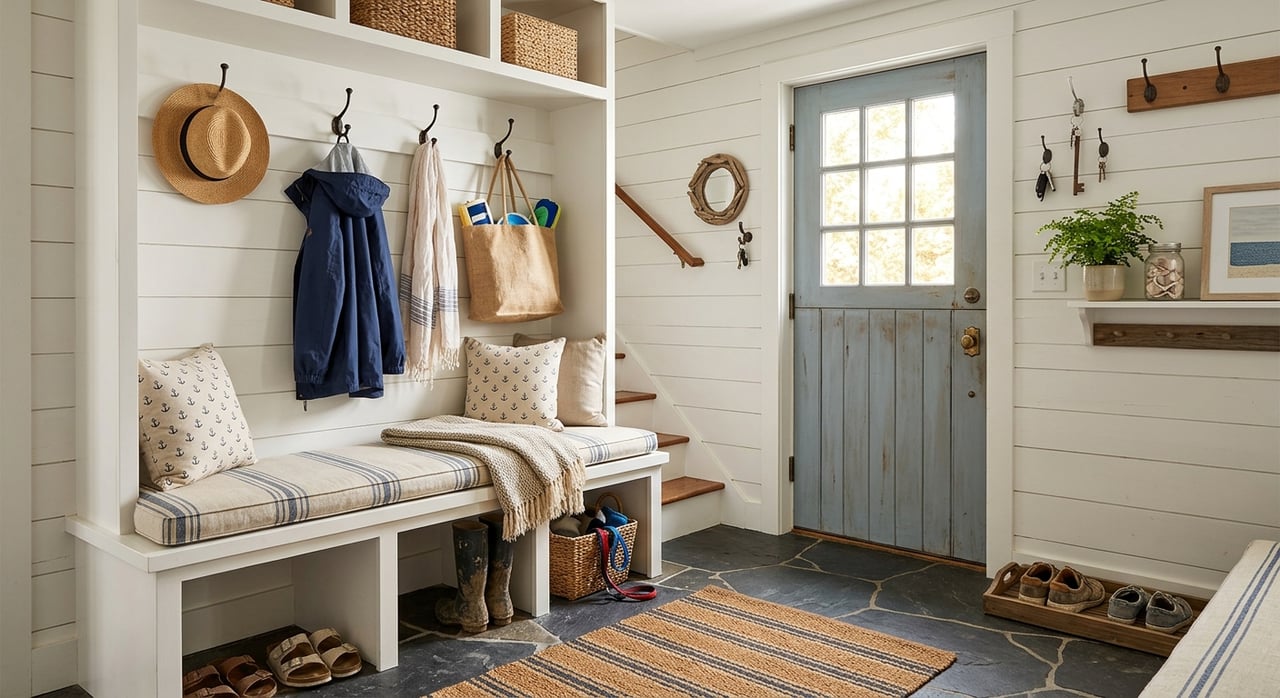
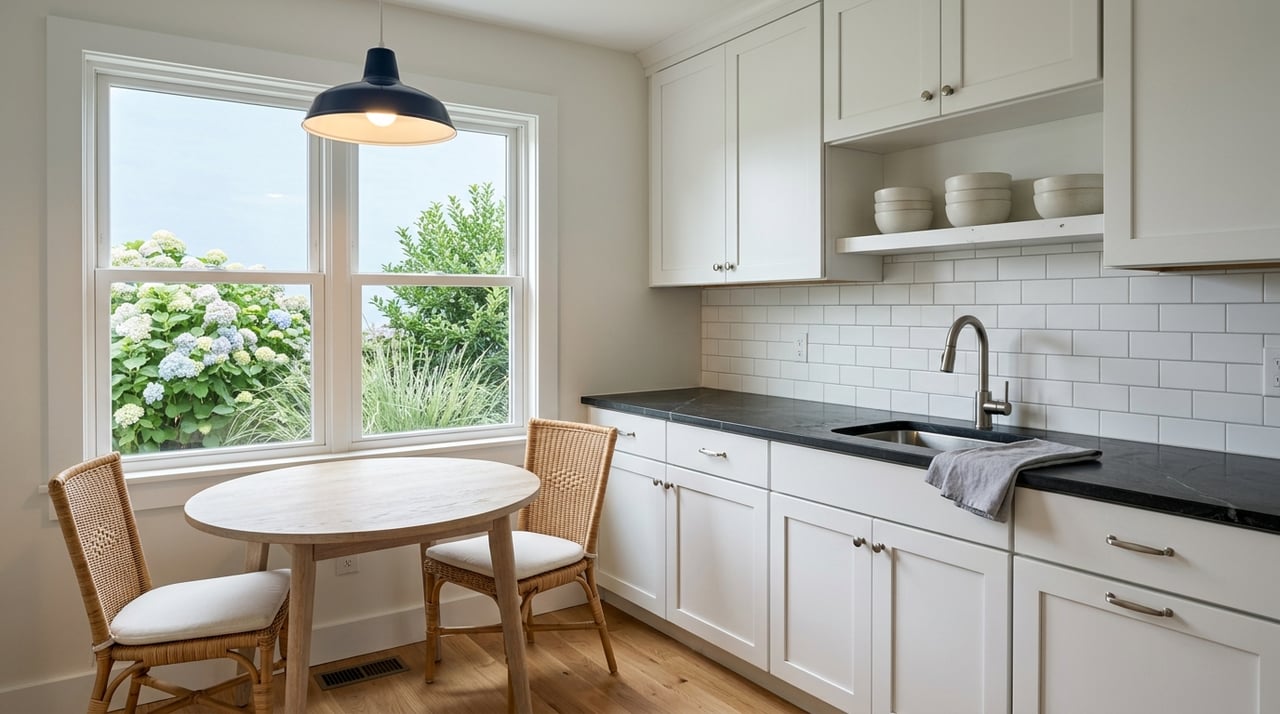
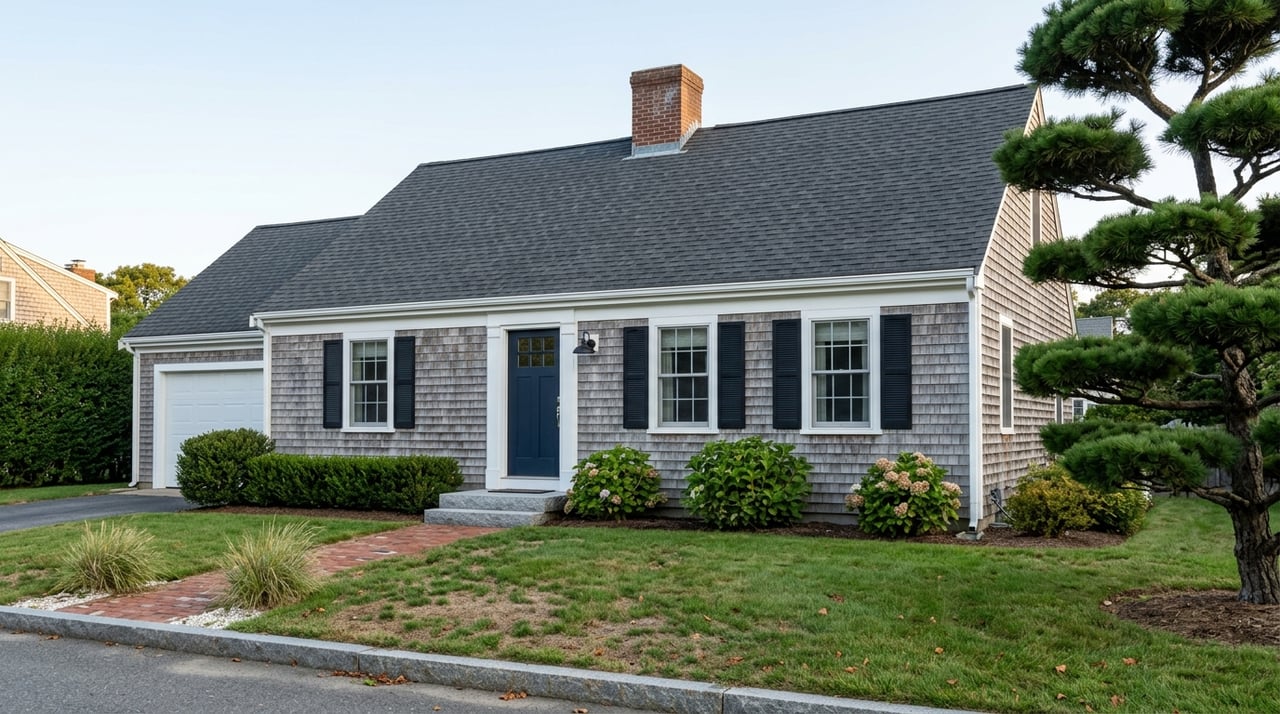
Canal-area housing in Bourne is not one-note. Recent listing examples show a mix of Cape-style homes, ranches, Victorian-style homes, and condo or townhome options.
That variety is helpful because buyers at different life stages often want very different things. You may be looking for a smaller condo with less upkeep, a ranch for one-level living, or a classic Cape with more yard space and room to grow.
This also means you should avoid assuming that every canal-area listing will have the same look, lot type, or age. In Bourne, proximity to the canal can connect very different housing styles, price points, and maintenance needs.
What homes cost in Bourne
If you are trying to set a realistic budget, it helps to start with the broader Bourne market before narrowing in on canal-adjacent homes. Recent data suggests a townwide baseline in the mid-$600,000s, depending on the source and measurement.
Census QuickFacts lists the median value of owner-occupied homes in Bourne at $575,600. Zillow’s home value index for Bourne was $633,773 at the end of 2025, and Redfin’s March 2026 median sale price was $675,000.
These numbers do not measure exactly the same thing, so they will not match perfectly. Still, taken together, they paint a useful picture of a market that broadly sits in the mid-$600,000s.
How canal proximity affects pricing
The biggest pricing lesson for buyers is simple: canal access, water views, and direct frontage can raise prices quickly. Recent Bourne examples ranged from roughly $290,000 to $310,000 for smaller condos, around $389,000 for a small home, about $525,000 to $750,000 for mid-sized homes, and up to $1.2 million for a larger four-bedroom property.
Direct canal frontage sits in a different category. One current Gray Gables Cape-style home directly on the Cape Cod Canal was listed at $2.095 million, well above the town median.
If your budget is tight, this is important to know early. You may still be able to buy near the canal, but there is a big difference between being close to canal recreation and owning a home with direct frontage or premium water views.
Traffic can matter more than distance
Many buyers focus first on mileage, but near the canal, your real daily-life question is often about bridge dependence. MassDOT says the Bourne and Sagamore bridges are the only vehicular crossings to and from Cape Cod, and summer daily traffic volumes rise sharply compared with non-summer periods.
According to the state’s canal study, summer daily bridge volumes were 49% higher on the Bourne Bridge and 59% higher on the Sagamore Bridge than in non-summer periods. The study also identified Route 3, Route 6, Route 25, Route 28, Scenic Highway, Sandwich Road, Main Street, Belmont Circle, and the Bourne Rotary as major pressure points.
For you as a buyer, that means a home can look well located on paper and still feel harder to navigate during peak periods. If you make frequent off-Cape trips for work, appointments, family visits, or airport runs, traffic patterns deserve a big place in your home search.
Bridge work is part of the picture
This is not just a long-range planning issue. The bridge program is active now.
In March 2026, MassDOT said the Sagamore Bridge replacement had advanced to procurement, with a Notice to Proceed targeted for late 2027. In April 2026, the U.S. Army Corps of Engineers also announced short-term lane restrictions on the Bourne Bridge for inspection and maintenance work.
The Sagamore replacement is planned to include roadway realignments plus new bicycle and pedestrian pathways. Over time, those improvements may shape travel patterns and access, but in the near term, buyers should expect bridge conditions and construction planning to remain part of life around the canal.
Emergency planning is part of coastal reality
The bridges are not only commuter routes. They also serve as evacuation routes.
MassDOT’s Cape Cod Emergency Traffic Plan exists to move traffic off Cape Cod during hurricanes or other hazards. That does not mean emergencies are common, but it does reinforce an important point for buyers: the canal corridor is a regional transportation lifeline.
If you are comparing Bourne to other Upper Cape locations, this is worth keeping in mind. It can affect how you think about commute flexibility, timing, and overall comfort with coastal living logistics.
Recreation is a major lifestyle benefit
For many buyers, the upside of canal-area living is easy to see. The recreation corridor offers paved paths, waterfront access, fishing areas, and space to get outside in a very scenic setting.
That can be a strong fit if you want a home that supports an active daily routine. It can also appeal if you are downsizing and want less yard work but still want regular outdoor access, or if you are relocating and want a strong sense of place right away.
The Cape Cod Canal Visitor Center is seasonal, with a 2026 schedule of May 1 through October 25 from 10 a.m. to 5 p.m. Even with some seasonal features, Bourne itself is positioned as a year-round town with recreation and beaches in every season.
Know what the canal is and is not
It is easy to romanticize living near the water, but the canal is a working waterway with rules and limits. The current can reverse every six hours and reach 5.2 miles per hour, and swimming and scuba diving are prohibited.
That matters if you are hoping for a classic calm-water swimming setting right outside your door. Canal living can deliver views, trail access, and shoreline recreation, but it is not the same as buying near a quiet swimming beach or protected pond.
Boating in the canal also follows specific rules. So if water access is a major reason for your move, it helps to match your expectations to how the canal actually functions.
Flood zones and insurance deserve early review
If you are looking at low-lying property or anything near the canal edge, verify flood hazard details early in the process. FEMA’s Flood Map Service Center is the official source for flood hazard information, and maps can be updated over time.
This is one of those details that is better handled before you fall in love with a home. Flood zone status can affect insurance needs, monthly costs, and your comfort level with long-term ownership.
For coastal and canal-adjacent buyers, this step is part of smart due diligence. It is especially useful when comparing two homes that seem similar in price but may carry different ownership costs.
Who canal-area Bourne fits best
Canal-area Bourne tends to fit buyers who value outdoor access, village character, and Cape Cod mobility. It can be a great match if you want a home base that feels connected to both everyday life and the water.
It may be especially appealing if you are open to the tradeoffs that come with that lifestyle. Seasonal traffic swings, bridge work, and coastal property considerations are all part of the package.
That does not make the area less desirable. It just means the best purchase is usually the one that matches your routines, your budget, and your tolerance for those realities.
Smart questions to ask before you buy
If you are seriously considering a home near the canal, keep your search grounded with a few practical questions:
- How often will you need to cross the bridge during busy seasons?
- Are you looking for canal access, water views, or direct frontage?
- Would a condo, ranch, Cape, or townhome best match your lifestyle?
- Have you checked the property’s flood zone and likely insurance needs?
- Do you want a more active recreation setting or a quieter village feel?
- Are you buying for year-round living, seasonal use, or a future downsizing plan?
The answers can help narrow your search fast. They can also keep you focused on homes that work for your real life, not just the listing photos.
Buying near the canal can be a smart and rewarding move if you go in with a clear picture of what the area offers. With the right guidance, you can weigh lifestyle benefits against traffic patterns, pricing, and coastal ownership details and find the part of Bourne that feels right for you. If you want help comparing villages, price points, and home types in Bourne and across the Upper Cape, reach out to Kerry Houde.
FAQs
What does “near the canal” usually mean for homebuyers in Bourne?
- In Bourne, “near the canal” is usually a lifestyle description rather than one formal neighborhood, and it often includes areas like Buzzards Bay, Bourne Village, Gray Gables, and nearby parts of Sagamore with access to the canal corridor.
What are typical home prices near the canal in Bourne?
- Recent Bourne examples ranged from about $290,000 to $310,000 for smaller condos, around $389,000 for a small home, roughly $525,000 to $750,000 for mid-sized homes, and up to $1.2 million or more for larger properties, with direct canal frontage priced much higher.
How does bridge traffic affect daily life in Bourne near the canal?
- Bridge traffic can affect daily routines significantly because the Bourne and Sagamore bridges are the only vehicular crossings to and from Cape Cod, and summer traffic volumes are much higher than non-summer levels.
Is the Cape Cod Canal a good place for swimming from a nearby home?
- No, the canal is not a swimming waterfront because swimming and scuba diving are prohibited, and the canal has strong reversing currents that can reach 5.2 miles per hour.
What home styles can buyers find near the canal in Bourne?
- Buyers can find a mix of home styles near the canal, including Cape-style homes, ranches, Victorian-style homes, and condo or townhome options.
Should buyers check flood zones for canal-area homes in Bourne?
- Yes, buyers should review flood hazard information early for low-lying or canal-edge properties because flood zone status can affect insurance needs and total ownership costs.