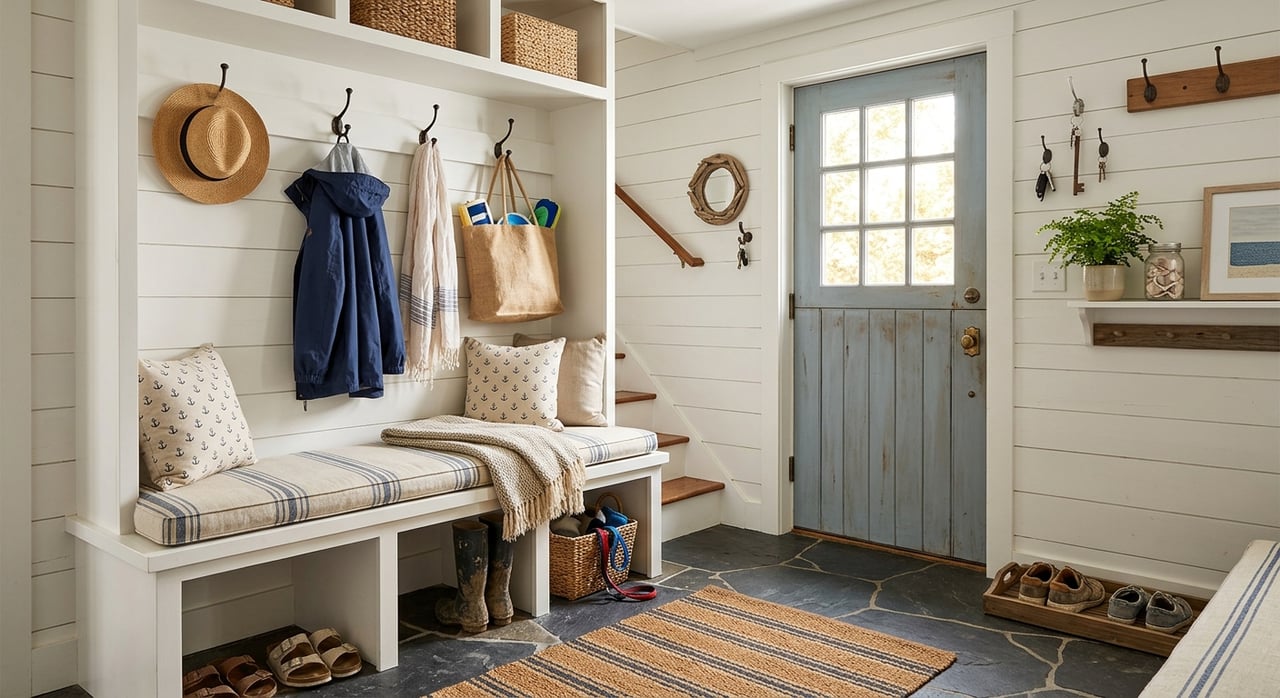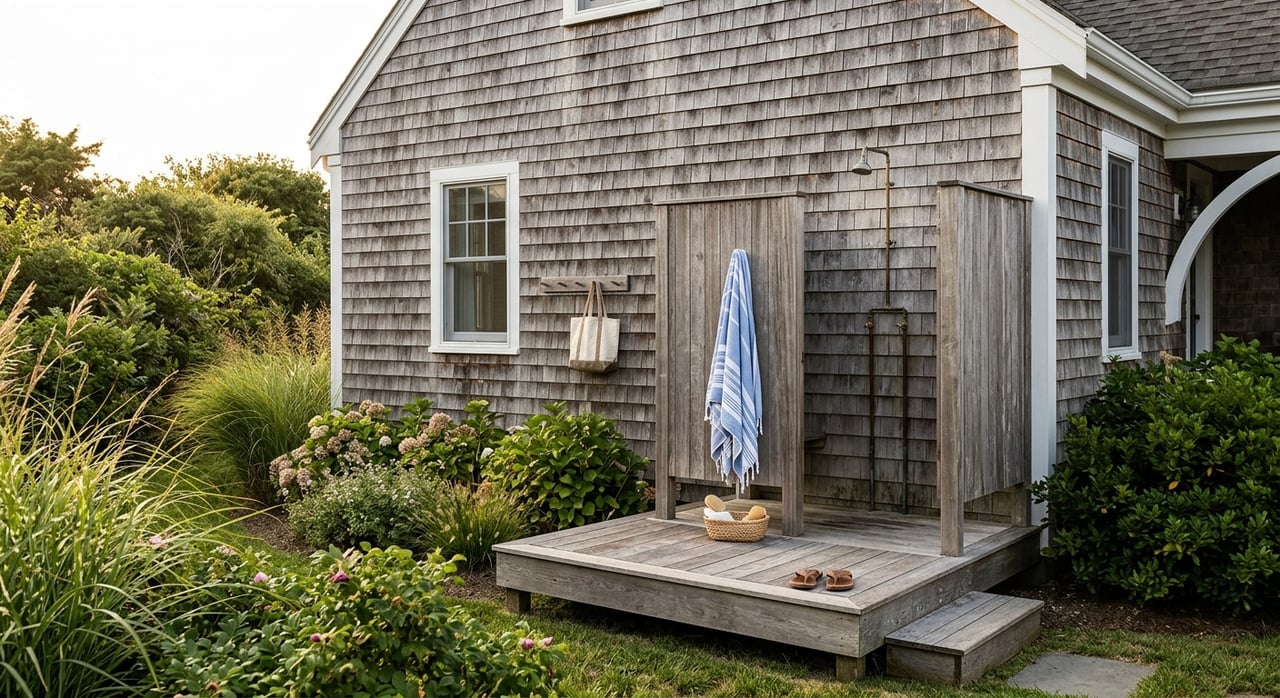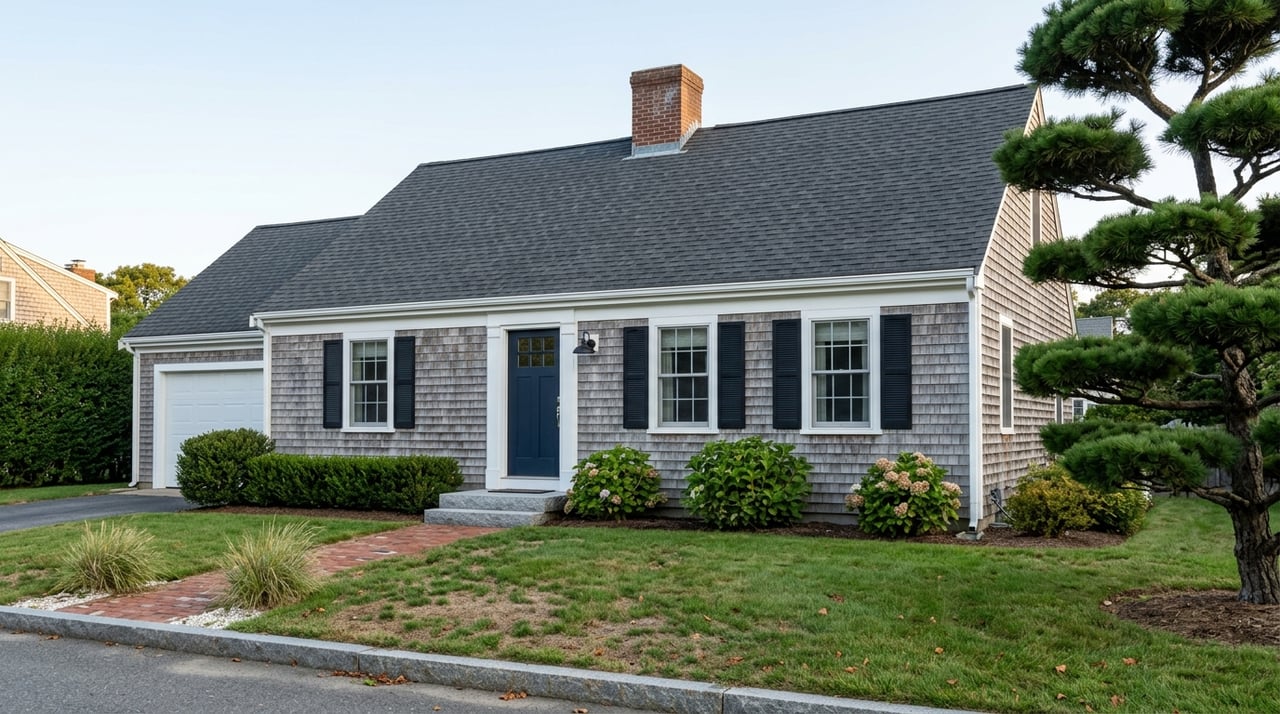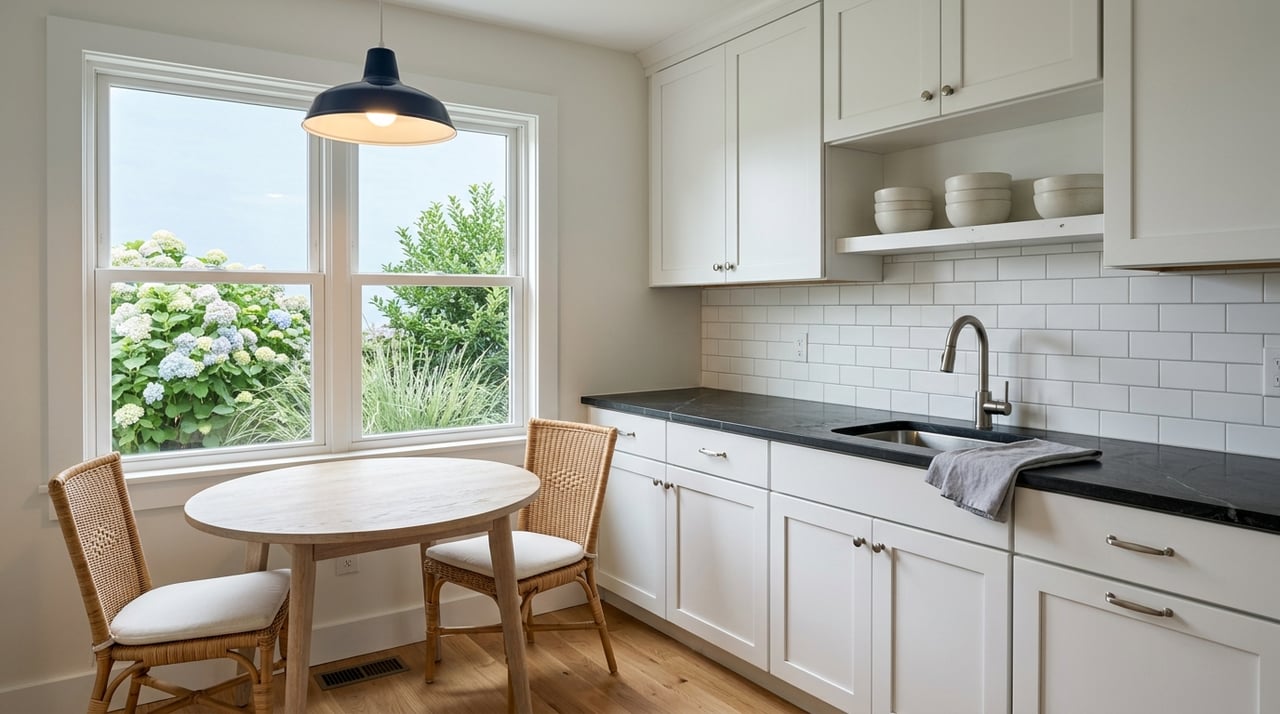
If you love the idea of Cape Cod living but keep running into Cape-level prices, Wareham deserves a closer look. For many buyers, it offers a practical way to stay near the water, keep access to the Upper Cape, and find a lower entry point than some nearby coastal markets. If you are wondering whether Wareham could be your path to Cape-adjacent homeownership, this guide will help you weigh the benefits, tradeoffs, and smart next steps. Let’s dive in.
Why Wareham Stands Out
Wareham sits in southeastern Massachusetts in Plymouth County, at the head of Buzzards Bay near the southern end of the Cape Cod Canal. Its location places you on a road network that connects Boston and Cape Cod, including I-195, I-495, Route 25, Route 28, and Route 6. The town plan also describes Wareham as about an hour from Boston and about 35 miles west of Hyannis.
That geography is a big reason Wareham often comes up in Cape Cod home searches. You can enjoy a coastal setting on the mainland side of the canal while still keeping a clear route toward the Upper Cape. For buyers who want water, boating, beaches, and a Cape lifestyle feel without starting directly in Barnstable County, Wareham can be a strong fit.
Wareham’s Coastal Appeal
Wareham is not just a stop on the way to somewhere else. It has a coastal identity of its own, with 57 miles of coastline or saltwater shoreline, along with popular spots like Little Harbor Beach and Onset Beach. The town also has small-boat harbors in Onset Bay and at the mouth of the Wareham River.
That mix gives you more than a simple commuter advantage. You get a town with real waterfront character, varied housing options, and a lifestyle that can appeal to both seasonal and year-round residents. The town plan also notes that some former summer cottages have been converted into year-round homes, which helps explain why Wareham attracts a broad range of buyers.
Why Buyers See Wareham as a Gateway
Lower pricing than nearby coastal markets
One of Wareham’s clearest advantages is price. The Census Bureau reports a median value of owner-occupied housing units of $424,500 in Wareham, compared with $575,600 in Bourne and $527,400 in Plymouth.
Recent market snapshots tell a similar story. In March 2026, Wareham’s median sale price was $482,500, compared with $675,000 in Bourne and $742,500 in Plymouth. That puts Wareham roughly $193,000 below Bourne and about $260,000 below Plymouth based on those recent sale-price figures.
For budget-conscious buyers, that gap matters. It can mean more flexibility in your monthly payment, more room for repairs or updates, or simply a better chance of buying near the coast without stretching too far.
A strong year-round homeowner base
Wareham also stands out for its owner-occupied housing rate. The Census Bureau reports an owner-occupied rate of 83.5%, which is higher than Bourne’s 75.8% and Plymouth’s 79.0%.
That does not tell you everything about a town, but it does suggest a solid year-round homeowner presence. If you are looking for a place that feels established and lived in beyond the summer season, that may be part of Wareham’s appeal.
Access without crossing first
Another reason buyers look closely at Wareham is simple: you can stay on the mainland side of the canal while keeping the Cape within reach. That matters because the Bourne and Sagamore bridges are the only vehicle connections to and from Cape Cod, and the bridge replacement program is already underway.
For some buyers, that makes Wareham feel like a practical middle ground. You are still connected to Cape Cod and the Upper Cape, but you are not required to cross onto the Cape to begin your search.
When Wareham May Make More Sense
Wareham can be a smart choice if your top priority is getting a coastal lifestyle at a lower entry point. If you care more about proximity to the water and regional access than having a Barnstable County address, the value equation may work in your favor.
It can also make sense if you need broader regional flexibility. The town plan ties Wareham’s road network to Boston, New Bedford, Providence, and Cape destinations, which may help if your work, family, or day-to-day routine stretches beyond one area.
For first-time buyers, move-up buyers watching their budget, and downsizers who want a coastal setting without paying higher prices nearby, Wareham can offer a realistic path forward. The key is understanding both the upside and the tradeoffs before you make an offer.
What Tradeoffs Should You Expect?
Traffic is still part of the picture
Wareham can help you avoid buying beyond the bridges, but it is not a traffic-free workaround. If you expect frequent trips into Upper Cape towns, the bridge situation still matters because those crossings are the only vehicle routes to and from Cape Cod.
The town plan also notes that Cape-bound traffic historically funneled through Cranberry Highway and created major summer congestion. In other words, buying in Wareham may improve your price point, but it does not erase the realities of seasonal travel in this corridor.
Coastal access varies by property
Many buyers imagine that living near the coast automatically means easy beach access. In Wareham, that is something to verify early. The town plan says many of the town’s beaches are privately owned and that public access is limited in many places, with Onset noted as a notable exception.
That means two homes with similar pricing may offer very different day-to-day lifestyle benefits. If beach access is high on your list, ask clear questions before you fall in love with a listing.
Flood risk needs careful review
Coastal living can come with added due diligence. Wareham’s town plan identifies the community as low-lying and flood-prone, notes that FEMA flood-hazard areas are present, and says flood insurance may be required in some situations.
This is especially important for waterfront, marsh-adjacent, and other low-lying properties. Before you move forward, you will want a clear picture of flood exposure, insurance costs, and long-term maintenance considerations.
How Competitive Is the Wareham Market?
Wareham’s lower price point does not mean an easy market. Recent data show a median sale price of $482,500 in March 2026, up 12.2% year over year, with homes averaging 34 days on market. Many homes also receive multiple offers.
That combination tells you something important. Wareham may be more attainable than some nearby coastal towns, but desirable listings can still move quickly. If you are waiting for a perfect bargain, you may miss solid opportunities.
How to Shop Smart in Wareham
Get clear on your priorities first
Before touring homes, decide what matters most to you. Is your goal a lower price, water proximity, year-round living, easier access to the Upper Cape, or a property with rental or seasonal appeal?
When you know your top priorities, it becomes much easier to judge tradeoffs. You may be willing to give up direct beach access for more interior space, or choose a less updated home if the location fits your lifestyle better.
Be ready before the right listing appears
In a competitive market, preparation matters. A practical strategy is to get pre-approved, understand your numbers, and decide in advance what level of inspection and insurance risk you are willing to accept.
That way, you are not trying to make every decision under pressure. You can act quickly while still protecting your long-term comfort with the purchase.
Review coastal details early
For any water-oriented or low-lying property, ask early about flood zones, insurance expectations, access rights, and maintenance concerns. These details can affect affordability just as much as the sale price.
It is also wise to confirm how the property lines up with your actual lifestyle. If your vision includes frequent beach days, boating, or easy shoreline access, make sure the home supports that plan in practical terms.
Who Is Wareham Right For?
Wareham may be right for you if you want coastal Massachusetts living with a lower entry point than Bourne or Plymouth. It can also be a strong option if you want to stay connected to Cape Cod while keeping flexibility for travel toward Boston, Providence, or the South Coast.
It may be especially appealing if you are a first-time buyer trying to stay within budget, a buyer relocating within Massachusetts, or a later-life mover looking to simplify while still enjoying a waterfront region. The town offers a blend of coastal identity, regional access, and relative value that is hard to ignore.
The best way to think about Wareham is not as a lesser version of the Cape. It is a coastal market with its own strengths, and for the right buyer, it can be the most practical path to the lifestyle you want.
If you are weighing Wareham against other Upper Cape and coastal communities, having calm, local guidance can make the process much easier. Kerry Houde helps buyers navigate Cape Cod, Wareham, and nearby markets with clear advice, responsive communication, and a practical understanding of the tradeoffs that matter most.
FAQs
Is Wareham, MA more affordable than Bourne or Plymouth for homebuyers?
- Yes. The research report shows lower recent median sale prices and lower Census-reported owner-occupied home values in Wareham than in both Bourne and Plymouth.
Is Wareham, MA actually on Cape Cod?
- No. Wareham is in Plymouth County on the mainland side of the Cape Cod Canal, but it offers access to Cape-bound routes and a strong coastal lifestyle.
Is the Wareham, MA housing market competitive?
- Yes. Recent market data in the research report show homes averaging about 34 days on market, with many receiving multiple offers.
Should buyers worry about flood risk in Wareham, MA?
- Buyers should review it carefully. The town plan identifies Wareham as low-lying and flood-prone, with FEMA flood-hazard areas present and flood insurance required in some situations.
Does every home in Wareham, MA have easy beach access?
- No. The research report says many beaches are privately owned and public access is limited in many places, so access should be verified early in your home search.