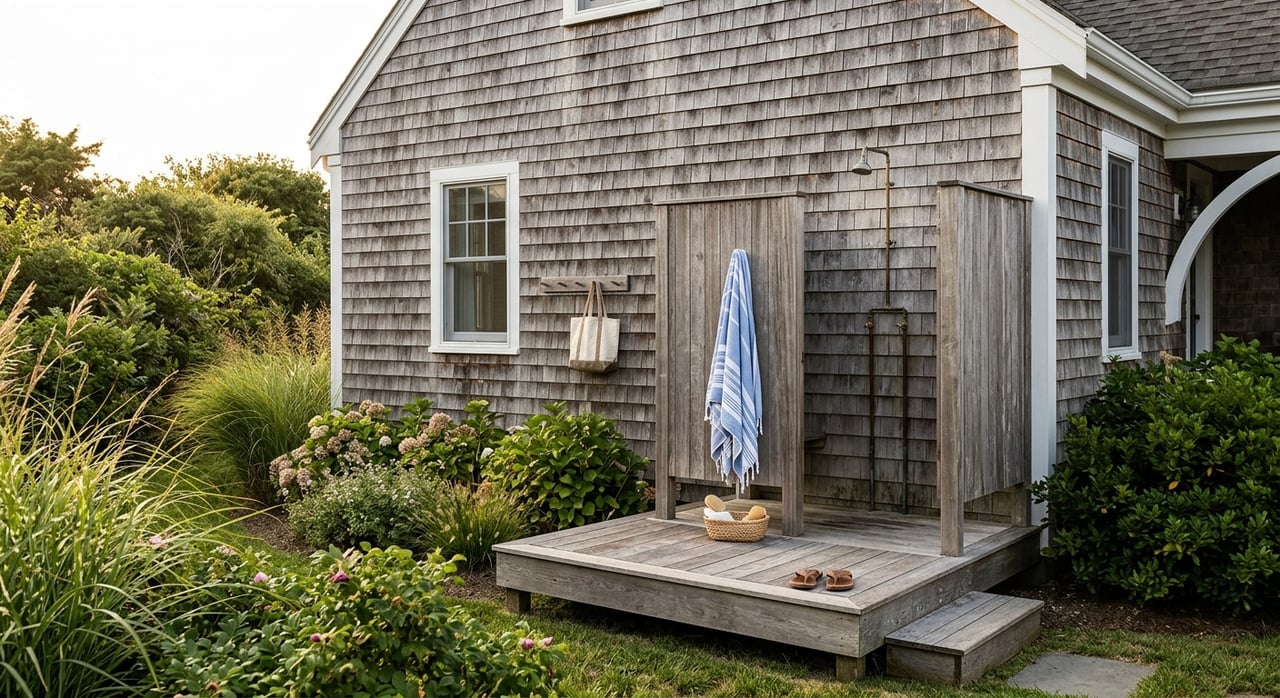
Selling a home on Cape Cod can feel simple from the outside, but in Yarmouth, the homes that stand out usually have one thing in common: they are prepared well before they hit the market. If you are thinking about selling, you may be wondering what actually matters, what is worth spending money on, and when to start. The good news is that you do not need to do everything. You need a smart plan that fits your home, your timeline, and today’s market. Let’s dive in.
Start Earlier Than You Think
If you hope to list in spring or summer, your prep should begin well in advance. Cape Cod market activity tends to build from late winter into spring and summer, with under-contract activity and sales rising as the season moves along.
That matters because repairs, cleaning, paperwork, and staging almost always take longer than expected. Starting early gives you time to make better decisions, avoid rushed contractor choices, and bring your home to market when buyer activity is strongest.
Understand the Yarmouth Market First
A strong prep plan starts with the current numbers. In Yarmouth, 2025 finished with 460 new listings, 417 closed sales, and a median sales price of $589,000. Homes for sale at year end dropped to 36, down from 82 the year before.
Across Cape Cod, the market remained tight in 2025, with 2.0 months of supply. Sellers received 95.2% of original list price on average. That tells you buyers are still active, but they are also more selective than they were during the most frenzied market conditions.
Focus on the Projects Buyers Notice
Before you spend money, focus on the updates that help buyers feel confident in the home. Recent staging and remodeling research points to a simple pattern: the basics matter most.
The highest-impact pre-list steps often include:
- Decluttering
- Deep cleaning
- Improving curb appeal
- Interior painting where needed
- Addressing visible condition issues
This kind of work helps your home show better without pushing you into broad renovations that may not pay off before you list. In many cases, solving obvious problems is more effective than taking on a large remodel.
Declutter With the Move in Mind
Decluttering is one of the most commonly recommended steps before listing, and for good reason. It helps buyers see the space, not your stuff. It also gives you a head start on packing for your move.
If you have lived in your home for many years, this part can feel emotional and overwhelming. A room-by-room approach is usually easier than trying to do the whole house at once.
Try starting with:
- Closets and storage areas
- Kitchen counters
- Bathroom surfaces
- Entryways and mudrooms
- Oversized furniture or extra decor
The goal is not to make your home feel empty. The goal is to make it feel spacious, functional, and easy to picture as someone else’s next home.
Deep Clean Before Anything Else
A clean home sends a strong message about care and maintenance. Buyers notice windows, floors, baseboards, kitchens, and baths quickly, especially during showings and photo sessions.
Cleaning is also one of the most cost-effective ways to improve presentation. If you are deciding where to start, this is one of the best places to invest time and energy.
Make Curb Appeal Count
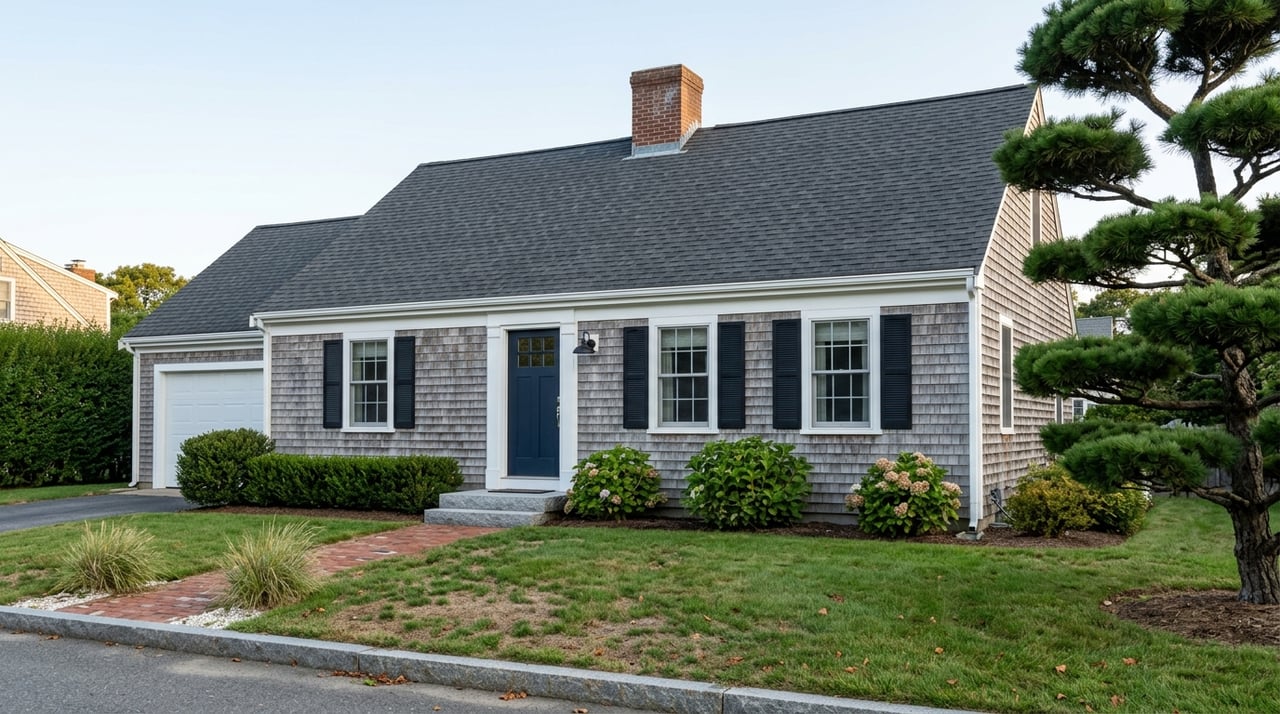
First impressions begin before a buyer opens the front door. Research shows curb appeal is one of the top recommendations sellers receive before listing.
In Yarmouth, that can mean simple, practical improvements such as:
- Tidying the yard
- Trimming shrubs and trees
- Refreshing mulch or planting beds
- Cleaning the entryway
- Touching up paint where needed
- Making sure house numbers and exterior lights are in good shape
Cape homes often benefit from a clean, well-kept exterior that feels bright and easy to maintain. You do not need a dramatic makeover. You need a home that looks cared for from the moment someone arrives.
Prioritize Key Rooms for Staging
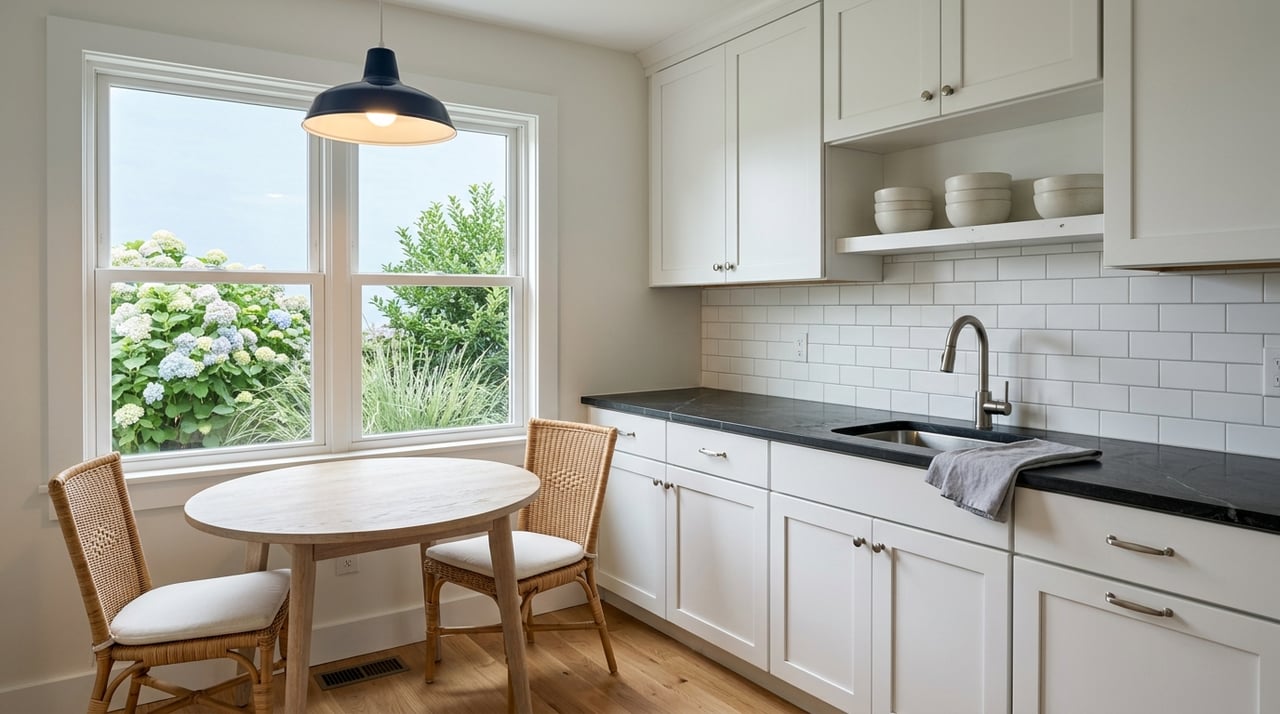
You do not need to stage every room to make an impact. Buyers tend to focus most on the living room, primary bedroom, and kitchen.
For many Yarmouth homes, the best staging choices are simple:
- Neutralize highly personal decor
- Improve traffic flow
- Maximize natural light
- Reduce visual clutter
- Create a calm, open feel in main living areas
This is especially helpful in coastal homes, cottages, and year-round properties where layout and flexibility matter. Buyers want to imagine how they would live there, whether as a primary home, seasonal place, or future retreat.
Be Selective About Repairs and Updates
Not every improvement makes sense before a sale. In today’s market, buyers are often less willing to overlook visible condition issues, so it is smart to address items that raise red flags.
That can include worn paint, obvious deferred maintenance, or roof concerns if they are affecting the home’s appeal or buyer confidence. A selective strategy usually works better than a full renovation right before listing.
Ask yourself:
- Will this improvement solve a clear problem?
- Will buyers notice it right away?
- Will it help the home show better or avoid objections?
- Can I complete it on time and within budget?
If the answer is no, it may not be worth doing before you sell.
Hire Contractors Carefully in Massachusetts
If you plan to hire help, take your time. In Massachusetts, home improvement jobs over $1,000 require a written contract. Contractors working on existing owner-occupied 1- to 4-unit homes generally must be registered as Home Improvement Contractors.
State guidance also recommends a detailed contract covering scope, schedule, payment timing, and who is responsible for permits. Rushed decisions and requests for full cash payment upfront are warning signs.
Gather Important Paperwork Early
One of the easiest ways to reduce stress later is to collect key documents before your home goes live. Some Yarmouth sellers benefit from starting this step early, especially if the home is older or located near flood-related areas.
Important items may include:
- Manuals, warranties, and repair records
- Permit information for past work
- Flood zone information if relevant
- Lead paint paperwork for homes built before 1978
For flood questions, the Town of Yarmouth says its Planning and Engineering offices can use FEMA Flood Insurance Rate Maps to help estimate a property’s flood zone. If you need a flood certificate, homeowners must hire a professional land surveyor.
For homes built before 1978, Massachusetts requires Property Transfer Lead Paint Notification before a purchase and sale agreement. Buyers often ask about this early, especially in older Cape housing stock.
Price for Today’s Market, Not Yesterday’s
Pricing is one of the biggest decisions you will make, and it matters even more in a market that has shifted away from peak frenzy. Cape Cod sellers still received strong pricing in 2025, but overpricing has become more risky.
Local reporting has made the trend clear: properly priced homes are getting attention, while overpriced listings are being passed over and seeing more price changes. That is why the best strategy is usually based on recent comparable sales, current condition, and timing, not an aspirational number.
A strong pricing approach should consider:
- Recent nearby closed sales
- Your home’s condition and updates
- Current competition
- Seasonality
- How quickly buyers may react to overpricing
This matters in Yarmouth because some buyers can move fast. In July 2025, 45.6% of Cape Cod transactions were cash. A well-priced and well-presented home is more likely to attract serious interest early.
Expect Inspections and Thoughtful Negotiation
Massachusetts has a few transaction details sellers should understand upfront. Ordinary residential sellers generally do not have to complete a Seller’s Statement of Property Condition.
At the same time, buyers have a right to a home inspection, and sellers or agents cannot make acceptance of an offer conditional on waiving or limiting that inspection. That makes pre-list preparation even more valuable, because condition issues often come up during negotiations.
The more you address visible concerns early, the fewer surprises you may face once you are under agreement. It also helps you respond calmly and strategically if inspection items do come up.
Build a Selling Plan Around Your Move
Preparing to sell is not only about the house. It is also about your next step. If you are downsizing, relocating, coordinating a later-life move, or balancing a sale with a rental timeline, your prep plan should support that bigger transition.
This is where a calm, organized process really matters. When your timeline, pricing, presentation, and paperwork all work together, the sale tends to feel less overwhelming and more manageable.
A Simple Yarmouth Seller Checklist
If you are getting ready to sell, this is a practical place to begin:
- Review your likely timeline for listing.
- Declutter and start packing nonessentials.
- Deep clean the home.
- Tackle curb appeal and visible repairs.
- Focus staging on the living room, primary bedroom, and kitchen.
- Gather permits, records, and required paperwork.
- Check whether flood zone or lead paint documentation may be needed.
- Build a pricing strategy based on current Yarmouth and Cape Cod data.
Selling your Yarmouth home does not require perfection. It requires preparation, realistic pricing, and a plan that helps buyers see the value of what you own.
If you are thinking about your next move and want practical guidance on how to prepare, pricing, timing, and presentation all matter. Kerry Houde can help you build a smart selling plan that fits your home and your goals.
FAQs
When should you start preparing to sell your Yarmouth MA home?
- If you want to list in spring or summer, it is wise to start prep well in advance so you have time for cleaning, repairs, paperwork, and staging before buyer activity picks up.
What repairs matter most before selling a Yarmouth home?
- The most useful updates are usually visible, problem-solving improvements such as painting, fixing deferred maintenance, improving curb appeal, and addressing condition issues buyers are less likely to overlook.
Does staging help when selling a home in Yarmouth MA?
- Yes. Staging can help buyers visualize the home more easily, and the most important rooms to focus on are typically the living room, primary bedroom, and kitchen.
Do Yarmouth MA sellers need flood zone information before listing?
- Some do. If flood risk may be a factor, it helps to ask early, since the Town of Yarmouth can help estimate flood zone information and a professional land surveyor is required for a flood certificate.
What lead paint paperwork is required when selling an older Yarmouth MA home?
- For homes built before 1978, Massachusetts requires Property Transfer Lead Paint Notification before a purchase and sale agreement.
How should you price a Yarmouth MA home in today’s market?
- The strongest approach is usually to price based on recent comparable sales, your home’s condition, current competition, and seasonality rather than aiming high and hoping buyers stretch.
Do sellers in Massachusetts have to allow a home inspection?
- Buyers have a right to a home inspection, and sellers or agents may not condition acceptance on waiving or limiting that inspection.