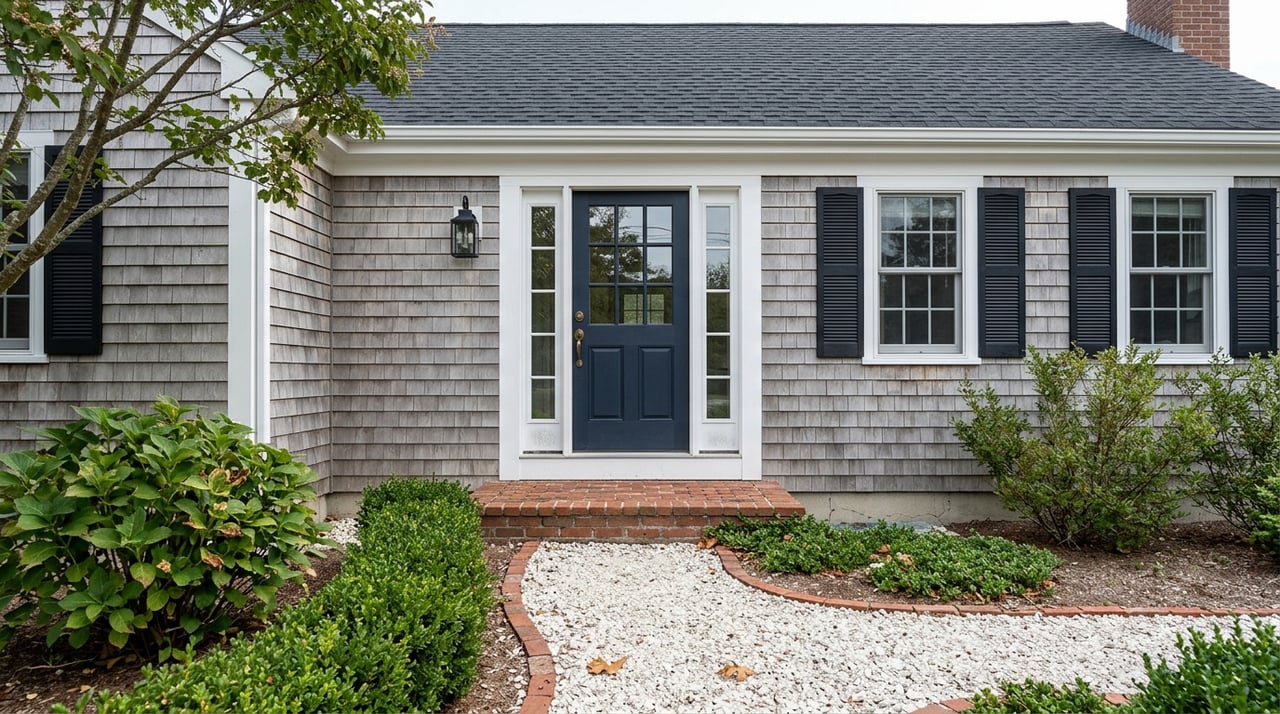
If you are searching for one Cape Cod town that offers a little bit of everything, Barnstable deserves a close look. It blends village centers, working waterfronts, beaches, historic homes, and everyday convenience in a way that can feel very different from one area to the next. If you are thinking about buying, selling, or simply narrowing your search, understanding how Barnstable’s villages, harbors, and housing fit together can help you make a smarter move. Let’s dive in.
Barnstable at a Glance
Barnstable is made up of seven distinct villages: Barnstable Village, Centerville, Cotuit, Hyannis, Marstons Mills, Osterville, and West Barnstable. Town planning and arts materials consistently describe them as separate places with different scales, water access patterns, and commercial centers, which is a big reason why the town appeals to such a wide range of buyers and homeowners. You can explore that village-by-village framework through the town’s planning and development resources and ArtsBarnstable village guides.
Two villages also stand out as state-designated cultural districts: Hyannis and Barnstable Village. That helps explain why these two areas tend to have a stronger mix of arts, walkability, local businesses, and public-facing amenities than some of the more residential or rural parts of town.
Barnstable’s Villages Explained
Hyannis: Downtown and Transit Access
Hyannis is Barnstable’s downtown and regional service center. According to the town’s arts materials, it has the most urban feel in Barnstable, with a compact mixed-use core, Main Street businesses, ferry service, and airport access, all of which make it one of the easiest places in town to navigate on foot. You can get a sense of that setting in the Hyannis village overview.
For many buyers, Hyannis stands out for convenience. The town connects it to bus and trolley service, the Cape Flyer, ferries to Nantucket, and Cape Cod Gateway Airport, which creates a lifestyle that feels more connected and flexible than many other Cape locations.
Barnstable Village: Historic Harbor Charm
Barnstable Village offers a very different kind of energy. On the north side of town, it combines historic buildings, local shops, galleries, studios, and civic uses with direct access to Barnstable Harbor, giving it a strong sense of place and a harbor-centered identity. The town’s Barnstable Village cultural district page highlights that mix clearly.
If you are drawn to a setting with history, waterfront character, and a walkable village core, this area often rises to the top. It is one of the clearest examples in town of a place where culture and harbor access come together.
Centerville: Village Center and Beach Access
Centerville is often a good fit if you want a classic village setting with both neighborhood character and convenient access to the south side. Its historic Main Street and Old Stage Road corridor are known for 1800s sea captains’ homes, while Route 28 carries a more convenience-oriented commercial pattern, and Craigville adds a beach-and-cottage layer to the village identity. The Centerville guide captures that blend well.
This mix can appeal to buyers who want a traditional village feel without giving up easy access to daily errands, beaches, and seasonal recreation.
Osterville: Boutique Village by the Water
Osterville is often described as a boutique south-side village. It features a smaller Main Street, access to bays and ponds, and a strong summer-resort and historic-district identity around Wianno and Seaview, as outlined in the town’s Osterville overview.
For buyers focused on boating access, village charm, and a polished coastal setting, Osterville has a distinct identity within Barnstable. Its housing and streetscape feel different from downtown Hyannis or the rural character of inland villages.
Cotuit: Quiet and Water-Ringed
Cotuit is one of Barnstable’s smallest villages and is mostly residential. The town describes it as being surrounded on three sides by water, with a laid-back and rustic feel, plus a small center that includes local businesses, arts, and civic uses, as noted in the Cotuit village page.
If your priority is a quieter pace and a more tucked-away coastal feel, Cotuit may be worth a closer look. It tends to appeal to buyers who want water-oriented living without the busier downtown feel of Hyannis.
Marstons Mills: Rural Inland Character
Marstons Mills is the inland village of the group, shaped by milling history, farmhouses, a modest traditional center, Burgess Park, and the Cape Cod Airfield. The town’s Marstons Mills guide presents it as a more rural and open village setting.
That can be a strong match if you prefer a quieter inland location and a less tourist-driven atmosphere. In practical terms, it tends to feel more spread out and more car-oriented than the villages with denser commercial centers.
West Barnstable: Historic and Open-Space Oriented
West Barnstable blends village history with access to major natural resources. It has a small village center, the 1717 Meetinghouse, rail history, and direct proximity to Sandy Neck Beach, all of which contribute to its open-space-focused identity, according to the West Barnstable village page.
For buyers who value land, history, and outdoor recreation, West Barnstable can feel especially appealing. It offers a more understated village experience, with a strong connection to Barnstable’s natural side.
Harbors, Marinas, and Water Access
One of Barnstable’s biggest lifestyle advantages is how many different types of water access it offers. The town operates four marinas: Prince Cove in Marstons Mills, Bismore Park and Gateway in Hyannis, and Barnstable Harbor Marina on the north side, as shown on the town’s marina department page.
That matters because water access in Barnstable is not limited to one central harbor. Instead, it is spread across different village settings, which gives buyers and homeowners more than one way to connect with the coast.
Barnstable Harbor
Barnstable Harbor is the primary north-side harbor and public landing area. The town describes it as a mixed-use area with a residential beach, town marina, and state public landing, while the marina itself includes two local boat ramps, 67 town-run slips, and access near restaurants and Main Street through the Barnstable Harbor information page.
This setting supports the appeal of Barnstable Village for buyers who want harbor views, boating connections, and a historic village environment all in one place.
Hyannis Harbor
Hyannis Harbor has a different role. It is tied much more closely to downtown activity, ferries, and transportation infrastructure, with Bismore Park and Gateway marinas positioned within walking distance of Main Street and near ferry terminals and the maritime museum area.
If you value movement, access, and a more active waterfront scene, Hyannis Harbor may stand out more than the quieter harbor settings elsewhere in town.
Bay and River Access Elsewhere
Not every water-oriented village in Barnstable is centered on a full harbor. Cotuit, Centerville, and Osterville are better understood as bay-and-river villages, with access patterns tied to rivers, bays, ramps, docks, and smaller marine assets rather than a downtown harbor district.
That distinction can be useful when you are matching a village to your lifestyle. Some buyers want the activity of a harbor center, while others prefer a quieter setting where water access is woven into a more residential environment.
Sandy Neck and Outdoor Recreation
If outdoor space is high on your list, West Barnstable’s Sandy Neck is one of Barnstable’s defining resources. The town says Sandy Neck Beach Park covers about 4,700 acres of dunes, marshes, maritime forest, and culturally significant landscapes, including dune shacks, cottages, and the lighthouse.
That kind of large-scale protected coastal landscape is a major lifestyle feature for the town as a whole. It adds another dimension to Barnstable beyond village centers and housing stock, especially for buyers who want trails, beach access, and open space close to home.
What Barnstable Housing Looks Like
Barnstable’s housing stock is still dominated by detached single-family homes. The town’s 2025 Housing Production Plan snapshot reports that 81% of housing is detached single-family, 75% is owner-occupied, 21% is seasonal, and 54% was built before 1980. It also reports a 2024 median single-family sale price of $693,500 and a 2023 rental vacancy rate of 1.6%, which points to continued tight conditions in both ownership and rental markets, according to the Housing Production Plan snapshot.
For buyers, that means Barnstable offers a lot of classic single-family inventory, but supply can still feel constrained. For sellers, it reinforces the value of understanding how your village, price point, and property type fit into a market where housing remains limited.
Historic Homes and Architectural Variety
Barnstable is especially notable for its historic depth. The town’s heritage preservation plan states that Barnstable has 745 individually designated historic structures, 14 National Register Historic Districts, one regional historic district, and one local historic district, with the heritage preservation plan outlining those protections and districts.
That history shows up differently across the villages:
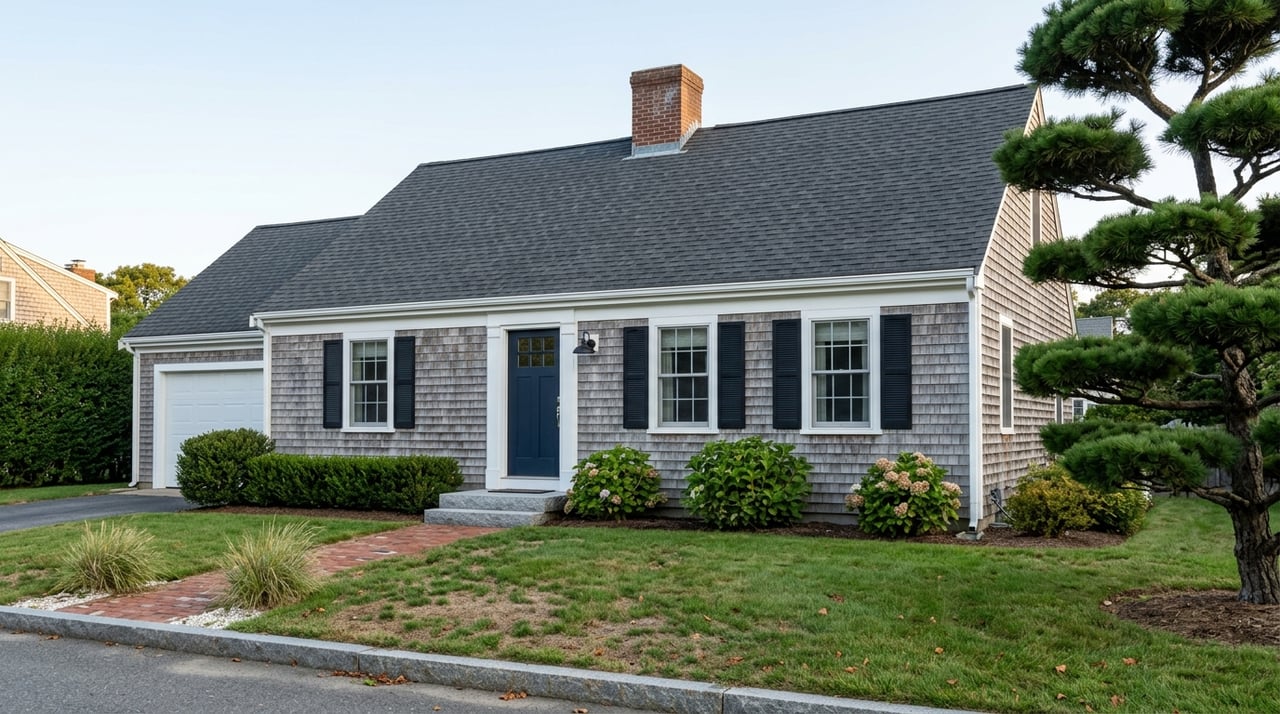
- Barnstable Village is known for Georgian and Cape Cod vernacular houses and historic resources along Route 6A.
- Centerville includes 1800s sea captains’ homes, early 20th-century cottages in Craigville, and seaside village forms.
- Osterville and Wianno are closely tied to summer-resort architecture and historic district character.
- Hyannis mixes older sea captains’ homes with later commercial blocks and mixed-use storefronts.
- West Barnstable includes long-standing civic and rail-related historic structures.
- Marstons Mills has more farmhouse-oriented and village-scale historic housing.
- Cotuit includes homes noted for historic and architectural significance.
For anyone shopping in Barnstable, this variety is important. Even within one town, the home styles, streetscapes, and preservation context can shift quite a bit from village to village.
Matching Lifestyle to the Right Village
A simple way to think about Barnstable is to match your day-to-day priorities with the village setting that supports them best. Based on the town’s descriptions, Hyannis and Barnstable Village are generally the easiest to frame as the most amenity-dense and walkable, while Marstons Mills and West Barnstable read as more spread out and car-oriented.
Here is a practical shorthand:
- Barnstable Village for historic harbor character and walkable culture
- Hyannis for downtown convenience, transit, ferry access, and services
- Centerville for a traditional village center with beach access nearby
- Osterville for boutique village appeal, boating connections, and a polished coastal feel
- Cotuit for quieter, mostly residential, water-ringed living
- Marstons Mills for a rural inland pace and open land
- West Barnstable for history, open space, and Sandy Neck access
If you are trying to decide where to focus your search, this kind of lifestyle-first comparison can save time. It can also help sellers understand what buyers may value most about their location.
Why Barnstable Draws So Many Buyers
Barnstable appeals to a broad range of people because it does not offer just one version of Cape Cod living. You can find downtown access, historic harbor settings, inland quiet, beach-oriented neighborhoods, and village centers that each feel distinct.
That variety is especially helpful if your move is tied to a life transition. Whether you are buying your first Cape home, downsizing, relocating, or looking for the right mix of seasonal and year-round living, Barnstable gives you more than one path to the lifestyle you want.
If you want help comparing Barnstable villages or understanding how a specific property fits your goals, reaching out to Kerry Houde is a practical next step. You deserve clear guidance, honest local insight, and support that keeps the process calm and focused.
FAQs
What makes Barnstable different from other Cape Cod towns?
- Barnstable stands out because it is made up of seven distinct villages, each with its own mix of housing, village-center activity, water access, and historic character.
Which Barnstable villages are the most walkable?
- Based on the town’s descriptions, Hyannis and Barnstable Village are generally the easiest to describe as the most walkable and amenity-dense parts of town.
What kinds of homes are common in Barnstable MA?
- Barnstable’s housing stock is mostly detached single-family homes, with the town reporting that 81% of housing falls into that category.
Is Barnstable MA a good place for boating and waterfront access?
- Barnstable offers a wide range of water access through town marinas, Barnstable Harbor, Hyannis Harbor, and bay-and-river access in villages like Cotuit, Centerville, and Osterville.
What is the housing market like in Barnstable?
- The town’s 2025 housing snapshot shows a 2024 median single-family sale price of $693,500 and a 2023 rental vacancy rate of 1.6%, which suggests a tight market.
Which Barnstable village may fit a quieter lifestyle?
- Cotuit, Marstons Mills, and West Barnstable are often the villages buyers look at first when they want a quieter, more residential or open-space-oriented setting.